Problem of e-waste continues to grow in the Pacific (audio)

Waste Management and Pollution Control
Available Online
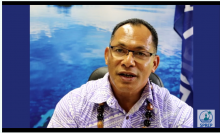
A new report has found that more than 53.6 million tonnes of e-waste was dumped or burned globally last year, which is the equivalent of 350 cruise ships, and up more than 20 per cent in just five years. The UN's Global E-waste Monitor 2020 also ranked Oceania as the second highest region, per capita, of e-waste, with each person generating 16.1 kilograms on average, it said. Common e-waste items include old mobile phones, batteries, TVs, computers and tablets. But Australia and New Zealand are the leading producers of that e-waste, with people in Pacific countries like Samoa and Tonga estimated to produce 3.1 kilograms per person, and in Fiji and PNG, the figure was just 1.5 kilograms. It's a problematic issue across the globe but in the Pacific, where in many countries there isn't the space for all this dumped technology, problems are looming. The region's peak environment body, SPREP, is working on several projects to tackle the issue. Bradley Nolan, the Project Manager for PacWastePlus, which is funded by the European Union, told Pacific Beat "disposable societies and large incomes" in countries like Australia and New Zealand explain why residents in those countries produce such large quantities of e-waste. And he suggested that Australia and other donor partners may in fact contribute to some of the e-waste in Pacific nations, with equipment such as computers donated when they had reached their end-of-life there. "There have been some incidents where some of the metropolitan countries [ie Australia, New Zealand] when some of their products are at the end of their useful life, say in a government department, has gifted those to countries to help out. "But of course they have less life, so they become an instant e-waste problem when they hit the islands...so aid and the work that people are attempting to do, with great intentions, creates some significant problems at the other end," he said.